Smart Steps for Planning and Managing Your Home’s HVAC Journey
Homeowners benefit when they scope HVAC needs before a purchase or repair. Start by documenting comfort goals: steadier temperatures, quieter operation, or improved Indoor Air Quality. Then assess the home’s envelope—insulation, windows, and air sealing—so the system isn’t compensating for avoidable losses. This groundwork narrows options and prevents oversizing, which can cause short cycling, humidity swings, and higher utility costs without delivering better comfort.
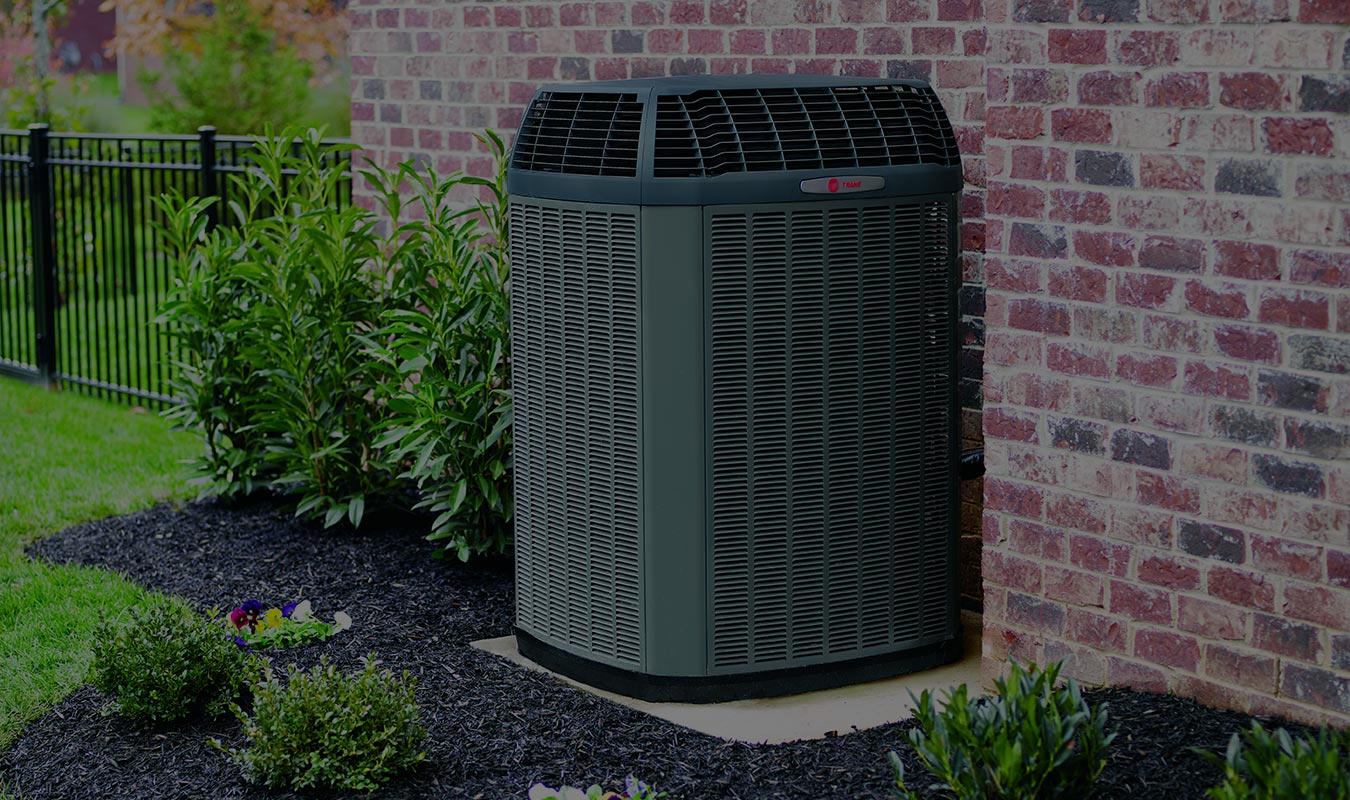
Next, verify electrical capacity and space for equipment. A furnace room may require clearances, while an outdoor condenser needs airflow and drainage. In practice, small site constraints influence equipment choices and placement. Duct paths, condensate routing, and service access should be mapped early to avoid rework. Technicians can measure static pressure and room-by-room loads to align system output with actual heating and cooling demands.
Budgeting goes smoother when you phase decisions. First, prioritize safety and code compliance—gas lines, venting, and breaker protection. Then refine efficiency targets within your price range. Rebates or incentives can shape timing, but don’t let them drive an ill-fitting selection. Often, a right-sized mid-tier setup with well-sealed ducts delivers superior value compared to a premium unit forced into poor conditions.
Quality control depends on how you stage installation tasks. Crews should sequence duct sealing, line set routing, and condensate management before setting equipment. Beyond that, confirm that returns are balanced and supplies reach distant rooms. If you’re planning AC Installation or Heating Installation, require a post-installation verification: refrigerant charge, airflow calibration, and safety checks. Proper documentation supports warranties and makes future service straightforward.
Maintenance isn’t an afterthought; it’s the backbone of lifecycle performance. Schedule filter changes, coil cleanings, and blower inspections to prevent drift in airflow and efficiency. Meanwhile, keep registers unblocked and maintain exterior clearances from shrubs and debris. A predictable service cadence reduces surprise breakdowns and helps technicians catch minor issues before they become costly AC Repair or Heating Repair events.
Air distribution deserves special attention because comfort lives in the ducts. Inspect for kinks, crushed flex, or leaky joints that undermine capacity. Then validate static pressure and temperature splits to ensure the system is operating in its designed range. If ducts are inaccessible or the home lacks them, Ductless AC can deliver room-by-room zoning with efficient operation and minimal disruption to finished spaces.
Technology choices should reflect both climate and occupancy patterns. Variable-speed systems can buffer temperature swings and humidity spikes, improving comfort in shoulder seasons. Smart thermostats help align setpoints with daily routines, but they work best when the equipment is properly commissioned. Finally, consider whole-home filtration and ventilation strategies to sustain healthy air without sacrificing efficiency.
For properties with land and long-term horizons, Geothermal may be worth exploring. The upfront planning is more involved—loop fields, soil conditions, and drilling logistics—but lifecycle stability and low operating noise are attractive. Document site constraints, utility access, and any permitting steps early. Then compare total ownership costs over the system’s expected life, including maintenance intervals and potential accessory replacements.
Seasonal timing can influence success. Spring and fall shoulder periods often allow more flexible scheduling, letting installers take the time to fine-tune airflow, refrigerant charge, and controls. However, emergencies happen. When a system fails mid-season, ask for temporary measures to protect the home while you validate load calculations and equipment matchups, rather than rushing into a poorly sized or mismatched replacement.
Vendor fit matters beyond brand logos. Look for clear communication, load-based recommendations, and transparent commissioning checklists. Ask how they handle post-install follow-ups, warranty documentation, and performance validation. Then keep a simple homeowner log of service dates, filter sizes, and observed issues. This shared record helps the team respond quickly, turn problems into durable solutions, and maintain comfort through every season.